

Many people assume that legal concepts are difficult to understand if you’re not a trained lawyer. While this may be true for many aspects of the law, in certain circumstances it is more straightforward. Sometimes, it is simply so obvious that something went wrong that legal responsibility can be determined when factual evidence is conceptually incomplete.
Enter the doctrine of res ipsa loquitur, which literally means the “thing speaks for itself.” In practice, this doctrine may apply in situations where negligence is so evident from the happening of the event itself that the existence of negligence is essentially confirmed, or more accurately, it is presumed and simplifies the analysis typically required to prove a party is liable.
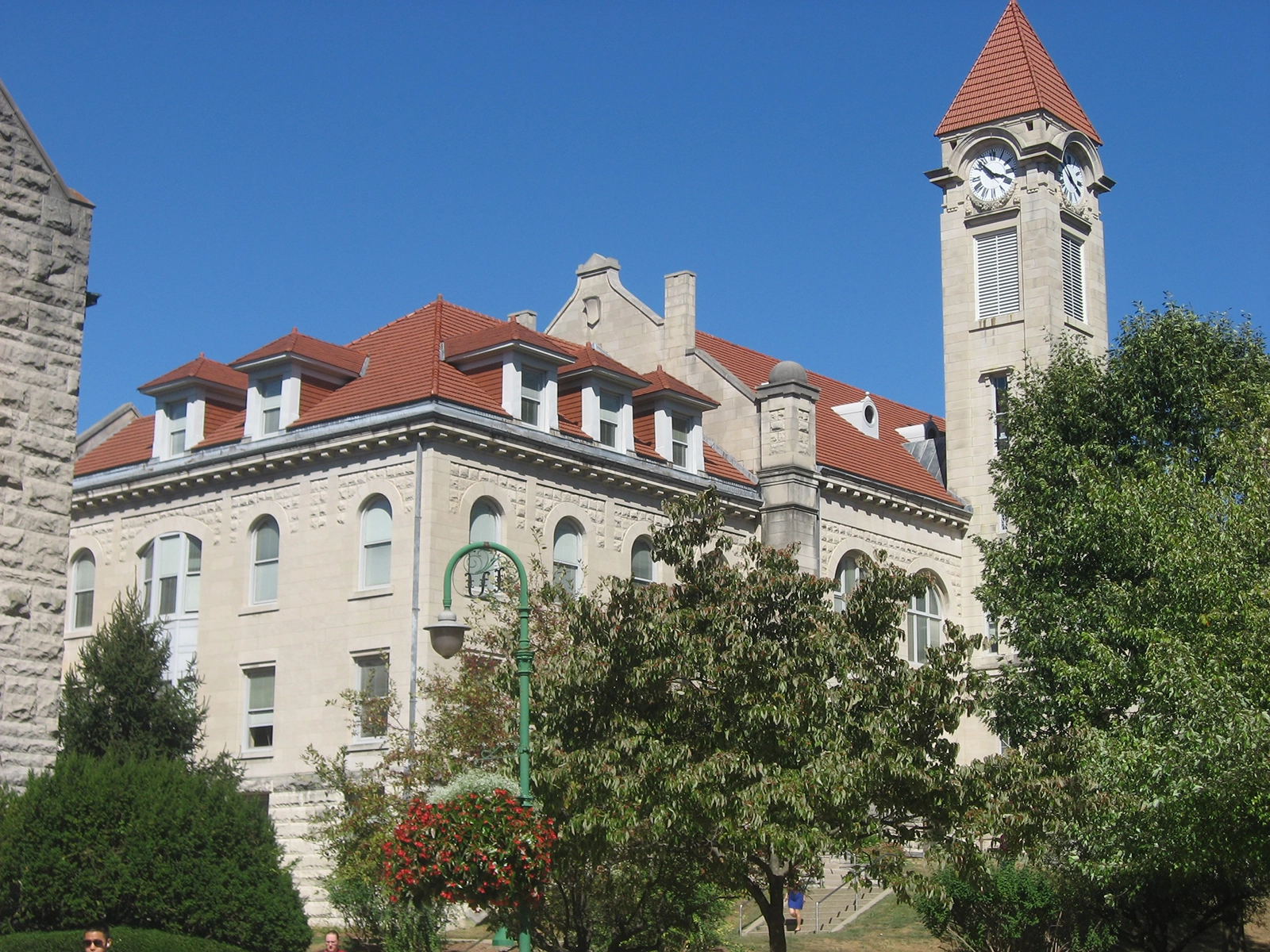
A recent Indiana Supreme Court case addressed res ipsa loquitur in the context of a falling window. The building from which the window inexplicably fell was owned by Indiana University. And the innocent bystander upon whom the window crashed was a student at the university. The application of res ipsa loquitur came into play because, as the court determined, a window falling out of the opening on its own without a person doing something to the window—it just doesn’t happen in the absence of negligence. And further, the role of the student relative to the university as owner of the building imposed a duty of care which permitted the court to find that the owner bears responsibility if an invitee is injured by a defective fixture. Even without direct evidence, res ipsa loquitur allows the negligence to be inferred.
In most legal conflicts, a finding of negligence would require proof of what caused the injury so that the appropriate party can be held liable. Here, however, the owner of the property in exclusive control of the thing causing injury to an invitee is ultimately responsible. Res ipsa loquitur permitted a finding that causation need not be proven to hold the party responsible for the window liable. The injured party need not prove that the university acted negligently; rather, the thing (a window falling out of the opening) speaks for itself as indicative of negligence. It’s just so obvious that something is amiss. Rarely in the context of law do we simply get to say “it’s that obvious” and res ipsa loquitur presents a rare exception to essentially shortcutting proof requirements.
The case of the falling window worked its way all the way up to the Indiana Supreme Court, and the question of whether res ipsa loquitur could properly apply to this case was front and center. Arguments for and against were made, but ultimately the court allowed the application of res ipsa loquitur in this case because, in the court’s mind, windows just don’t fall on people if something isn’t wrong.